Table Of Content
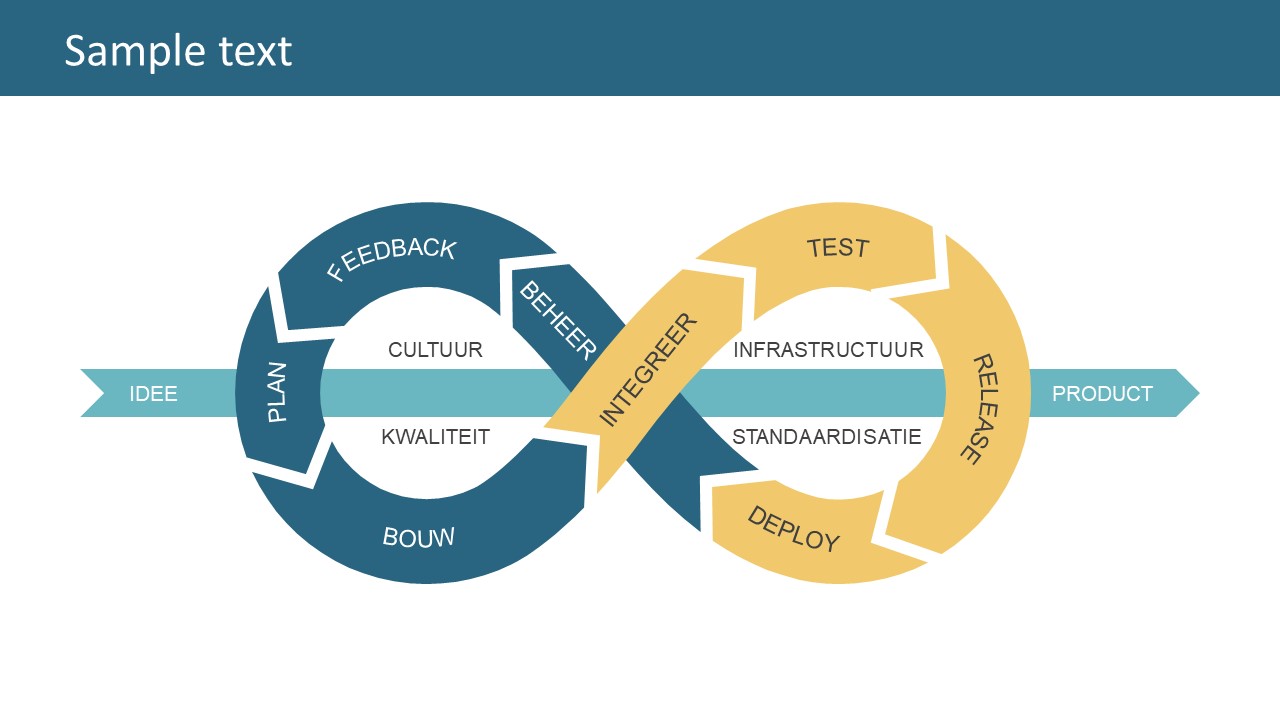
The concept of Continuous Product Design (CPD) has emerged as a revolutionary approach, enabling companies to seamlessly integrate customer feedback and data analytics into the design process. This adaptive strategy not only enhances product quality but also accelerates development cycles, ensuring products meet market demands in real-time. Design teams iterate and refine the product based on user feedback, ensuring it aligns with user expectations. Continuous collaboration between designers, developers, and other stakeholders fosters a seamless flow of ideas and knowledge.
Quantum Metric: $200 Million Series B Funding And Valuation Of Over $1 Billion - Pulse 2.0
Quantum Metric: $200 Million Series B Funding And Valuation Of Over $1 Billion.
Posted: Thu, 14 Jan 2021 08:00:00 GMT [source]
Establishing cross-functional product teams
Remember, the journey of product development is evolutionary, not static. Continuous product design isn't just a methodology; it's a mindset for sustained success in the competitive market. Effectively communicate the benefits of continuous product design to gain support from stakeholders and team members. Clearly articulate how this approach enhances product outcomes, accelerates development cycles, and aligns with organizational goals.
Frequent Feedback
Digital twin of a continuous direct compression line for drug product and process design using a hybrid flowsheet ... - ScienceDirect.com
Digital twin of a continuous direct compression line for drug product and process design using a hybrid flowsheet ....
Posted: Fri, 25 Nov 2022 08:00:00 GMT [source]
By celebrating successes and learning from setbacks, teams develop resilience and a shared sense of purpose, fueling long-term success. This approach fosters rapid responses to changing needs and market trends. Teams collaborate closely, aligning efforts towards enhancing user experience. Continuous Product Design is a cross-team approach to building better digital products faster — based on a shared, quantified, and continuous view of customer signals. Instead of a hard hat and a hammer, breaking down the walls of a siloed process requires merging the disciplines of design, development and user feedback into a single workflow.
Navigating Design Trends 2024: Crafting Tomorrow's Visual Landscape
To create successful products, you should implement the product design processes within your product life cycle. They observe and understand customers’ needs, behaviors and expectations. Continuous product design relies on data to inform decision-making, leading to improved product-market fit. Through metrics such as user engagement, retention, and conversion rates, teams gain a deeper understanding of market dynamics. By analyzing this data, product owners can identify trends, anticipate user behavior, and align product features with market demands.
Creating a quality digital product or service is desirable for the consumer, viable for the business and feasible to deliver. To deliver quality digital products, you need a team with the capabilities, mindset, creativity and focus on delivering meaningful experiences. Innovation frequently stems from a profound understanding of user needs, particularly in product design.
The optimal platform should not only align with your business’s technical requirements but should also be conducive to fostering a culture of innovation and collaboration. For example, if you go to many big companies, they’re not product-focused yet. Everything’s a project, and they treat developers as if they’re bricklayers. They say, “Oh, this team over here needs some development.” So they grab some developers, throw them in, and off they go. Alternatively, you can outsource your CPD to a firm that has an established team and methodology. While outsourcing may seem like a heavy cost upfront, time and time again, studies show that there are significant cost savings when a business outsources some of its processes.
Invest in Cross-Functional Teams
By continuously gathering user feedback and iterating on your product, you can address evolving customer needs and stay ahead of the competition. The need for continuous product development is seen in every industry, from technology to healthcare, agriculture, and beyond. These fields have witnessed rapid, transformative changes driven by continuous design improvements over the years. This relentless pursuit of innovation highlights the need for businesses and entrepreneurs to embrace continuous product design. Beyond just user feedback, data plays a crucial role in shaping design decisions. Analytics can show how users are interacting with a product, which features are popular, and where they face difficulties.
What are the limitations of the agile Development Process?
Graphic and industrial designers can iterate and refine their designs on the drawing board, but once they go into production they are “frozen,” and any change is effectively a new product. In these industrial-era design disciplines, 100% of design happens pre-launch. Continuous Product Design (CPD) is really about constant learning and understanding your customer—how they use your products and services and their needs—at an organizational level. With continuous updates, maintaining consistency in your product can be challenging. The answer is to establish and adhere to clear design and development standards.
Continuous Product Design is not just about quick fixes; it's about building a foundation for sustained innovation. By fostering a culture of ongoing improvement, teams can stay ahead of the curve and anticipate user needs before they arise. In the early 1970s, Kodak invented the world's first digital camera, but decided not to commercialize it. This was a critical product design error, demonstrating a lack of foresight and resistance to embrace change. As the digital age dawned, their competitors seized the opportunity to introduce digital cameras and, later, smartphones with high-quality cameras to the market. Kodak, stuck in its old ways, continued to focus on film-based products, failing to recognize the paradigm shift.
Embracing this methodology requires a cultural shift within organizations, emphasizing collaboration, adaptability, and a relentless commitment to meeting user needs. As we navigate the ever-evolving landscape of technology and user expectations, Continuous Product Design stands as a beacon for those who seek to innovate with agility and purpose. At Avail Creative, we champion continuous design and development for businesses and entrepreneurs.
They also assist in preparing customers for product launches and updates and provide input on pricing and positioning strategies based on market research and customer feedback. Iterative development allows for ongoing enhancements and improvements to the product. The customer-centric approach, on the other hand, ensures that the voice of the customer is at the heart of every design decision. Finally, data-driven decisions are the guiding light in continuous product design, providing a clear path forward and enabling informed decision-making based on reliable data. It helps to align product development with user expectations and preferences. Various techniques such as surveys, one-on-one interviews, and product usage monitoring can be employed to collect feedback.
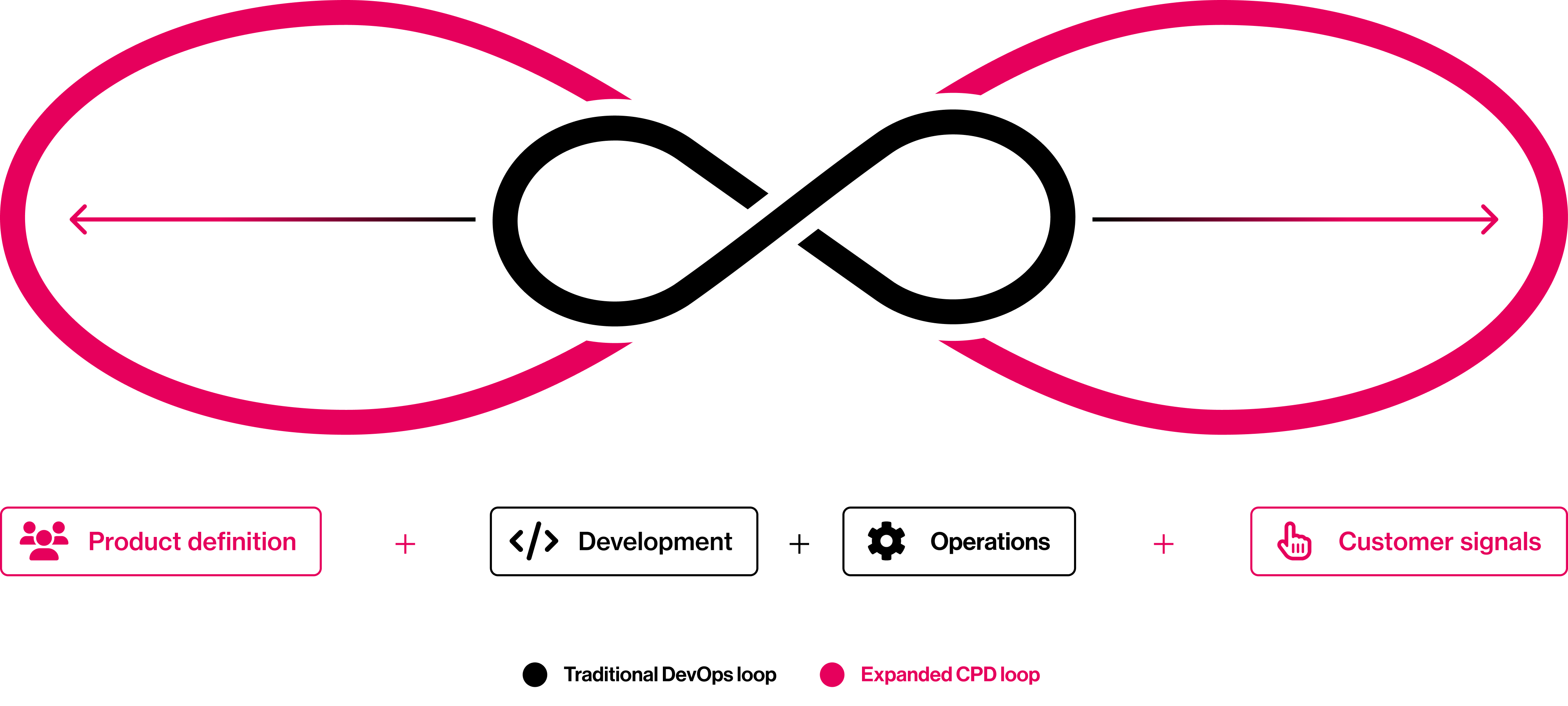
I would be delighted if you feel inspired to adopt, adapt, build on, or respond to this framework with your own ideas. Design has its own ways of engaging with problems and building knowledge. Perhaps the most important of these is modelling — building visual or physical representations that help clarify, explore, and test aspects of the problem or solution space. Catch the latest in interactions enhancements, user analytics and Gen AI features. You need the most senior person to fundamentally believe in what you’re doing. The last thing — which I found most often missing and core to the loss of traction — is you have to pay people for what you want them to do.
Agile complements continuous design by emphasizing collaboration, user feedback, and rapid iteration. Tools like Jira or Trello can help manage this workflow, ensuring all team members are aligned. Continuous improvement is a strategic approach that involves consistent enhancements and updates to products. This approach enables companies to maintain their products’ relevance and competitiveness in the market. It is a process of consistent refinement, ensuring that the products stay up-to-date with the current market trends and customer preferences. Furthermore, they conduct thorough market research, gather customer insights, and collaborate with the product designers to better understand customer needs and translate them into product features.


No comments:
Post a Comment